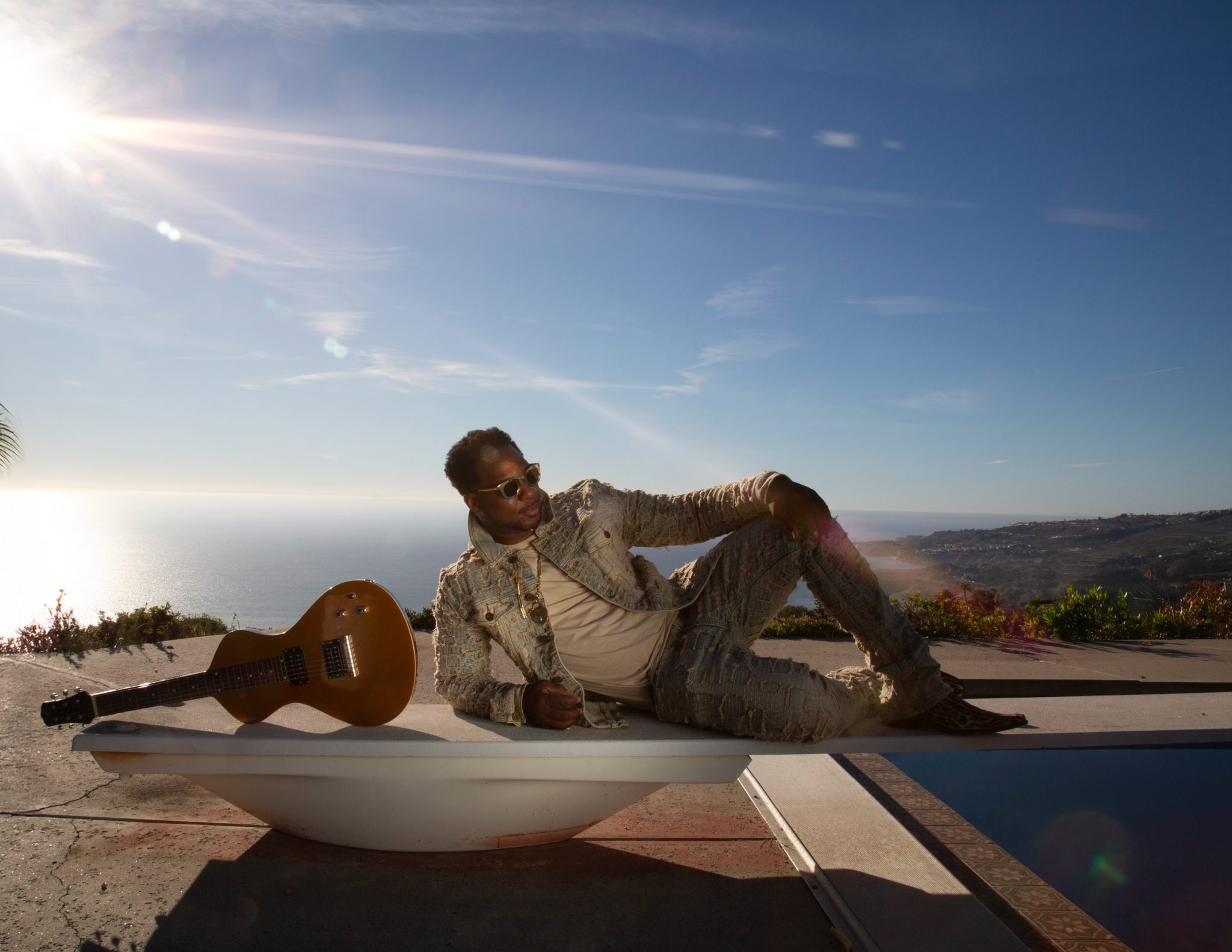
Picture a teenaged boy seated inside the House of God Church in Orange, New Jersey. No radio. No record player. No blues, no rock, no funk. Just the hum of a pedal steel guitar and the swell of gospel worship filling the room. That boy was Robert Randolph, and for a long time, that room was enough.
The man now set to headline the Greeley Blues Jam Music Festival was raised in a world where a stage like this — and even the blues itself — once felt completely out of reach. For years, the divide between the church and secular music shaped Robert Randolph’s path. What emerged from that tension would not only redefine his career, but help reshape the sound of modern blues.
THE CHURCH
Randolph grew up in the House of God Church, a Pentecostal denomination with deep roots in African-American worship. That’s where he found sacred steel, a gospel tradition dating back to the 1930s where the pedal steel guitar isn’t an instrument of entertainment. It’s a holy vessel. A voice for the spirit.
He learned by watching. Older church musicians were his only teachers. The congregation was his only audience. He absorbed technique through observation, sitting close enough to study the way hands moved across strings and pedals, taking in a style passed down through generations of players who never set foot on a commercial stage. By his early teens, he had picked up the instrument himself. It became clear almost immediately that something rare was developing.
DISCOVERY
Then came the cardboard box. A guy named Jim Markel handed Randolph a collection of CDs, and inside was a world he had never been allowed to hear. James Brown. The Staple Singers. The Allman Brothers. Led Zeppelin. Blues, rock, funk, and soul, all sharing the same emotional core as the gospel he spent his whole life playing. His idea of where a pedal steel guitar belonged shifted completely.
What makes Randolph’s story different is what he did not do. He did not leave the church behind. He found a way to carry it forward. He began framing blues and rock through the same spiritual lens he had always used, treating the joy, the release, and the call-and-response energy of secular music as an extension of what he already knew. The result was something genuinely infectious. The dancing. The soulful extended jams. The raw feeling that audiences could not quite categorize but could not stop moving to. It was gospel logic applied to a blues band.
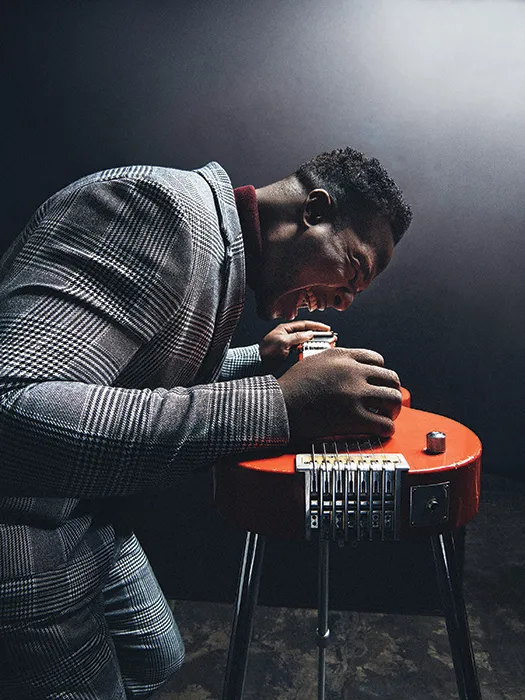
By the early 2000s, Randolph was playing New York City clubs, and crowds were not ready for what they saw. A pedal steel guitar, an instrument most people associated with country music or quiet church services, driven through a full band like a lead guitar, singing over blues changes with the same authority as a preacher over a congregation. He was not borrowing from tradition. He was building something new on top of it.
FAMILY BAND AND RISE
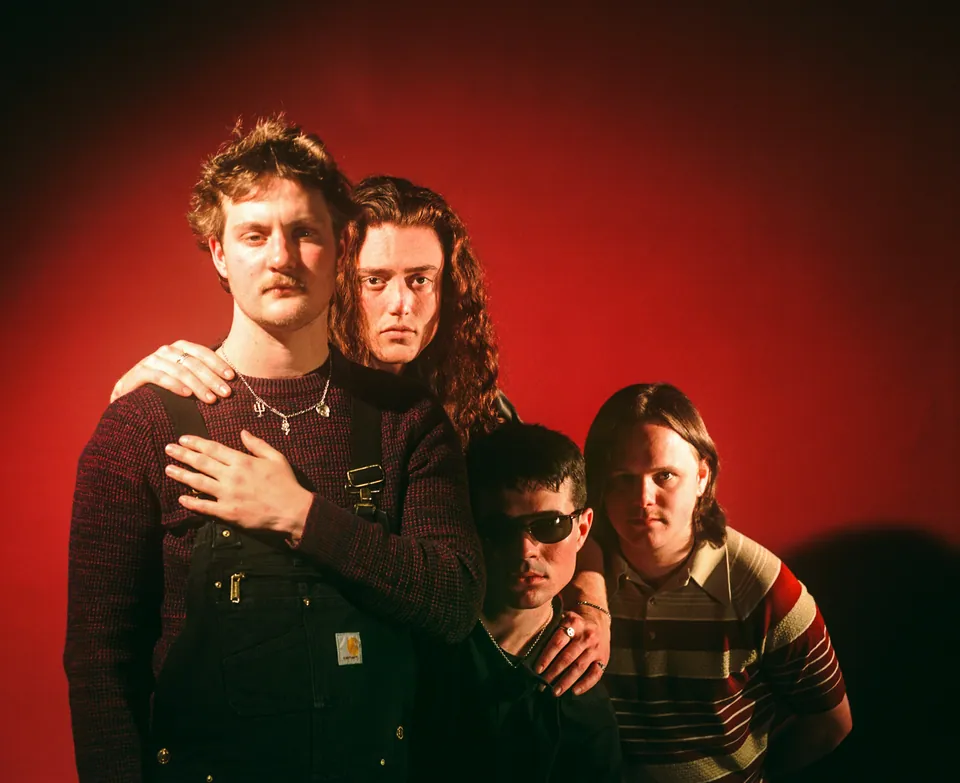
Robert Randolph and the Family Band came together naturally, built from family members and fellow House of God Church musicians who had worshipped together long before they ever performed together. Their first major break came at the Wetlands Preserve in New York City, just before the legendary venue closed for good. That performance became their debut release, Live at the Wetlands, in 2002.
Momentum built fast. By 2004, they were opening for Eric Clapton on tour, an opportunity that came back again in 2008. Clapton’s endorsement was more than a booking. It introduced Randolph to a global audience and changed the trajectory of the band permanently. The jam band world embraced them, though Randolph has been clear about resisting labels. Rolling Stone backed that up by including him on their 100 Greatest Guitarists of All Time list, recognition that crossed every genre boundary he had ever blurred.
COLLABORATIONS / REACH
The collaborations that followed confirmed what was already obvious. Dave Mathews Band. Elton John. Sheryln Crow. He contributed pedal steel to John Batiste’s We Are, which won Album of the Year at the Grammys. His playing landed on the Elvis film soundtrack. And a couple years ago, his pedal steel appeared on Beyoncé’s “16 Carriages” and “Ya Ya” from Cowboy Carter, one of the most talked-about albums in recent memory, and his fingerprints were on it.
The throughline across all of it is the same. Robert Randolph is a Black artist carrying the pedal steel guitar into rooms it hadn’t been in before, each not crossing lines of tradition and expectation. He did not ask for permission. He just kept showing up, and the rooms kept getting bigger.
PREACHER KIDS ALBUM
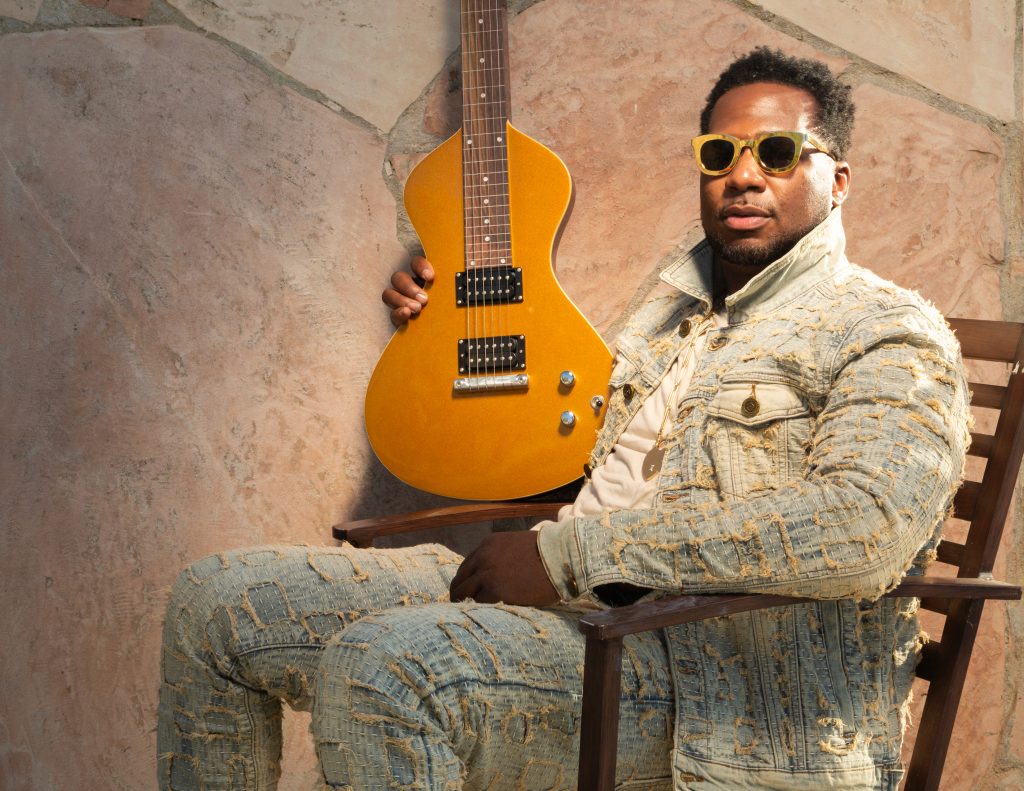
Last summer, he released his first solo album, Preacher Kids, produced by Shooter Jennings and put out by Sun Records. That same label launched Elvis, Johnny Cash, and Jerry Lee Lewis. That symbolism is not subtle, and it’s entirely earned. The album is built from musicians who share similar stories, preachers’ kids representing that crossover between gospel, blues, and rock. That tension he grew up carrying turned into the foundation of the record.
Earlier this year, Preacher Kids won the 2026 Grammy Award for Best Contemporary Blues Album, his first win after several nominations. The sacred steel traditions he once learned as a child were now being validated on one of the biggest stages in music.
COMING BACK TO GREELEY
Fifteen years ago, he first headlined the Greeley Blues Jam as a young band still finding its footing. The musician returning this summer is a different story entirely. Grammy winner. Collaborator to some of the biggest names alive. A man who spent his whole career proving that a pedal steel guitar belongs anywhere it wants to be.
He never left the church. He just took it somewhere nobody expected. The congregation got a whole lot bigger. This summer, it comes to Greeley.