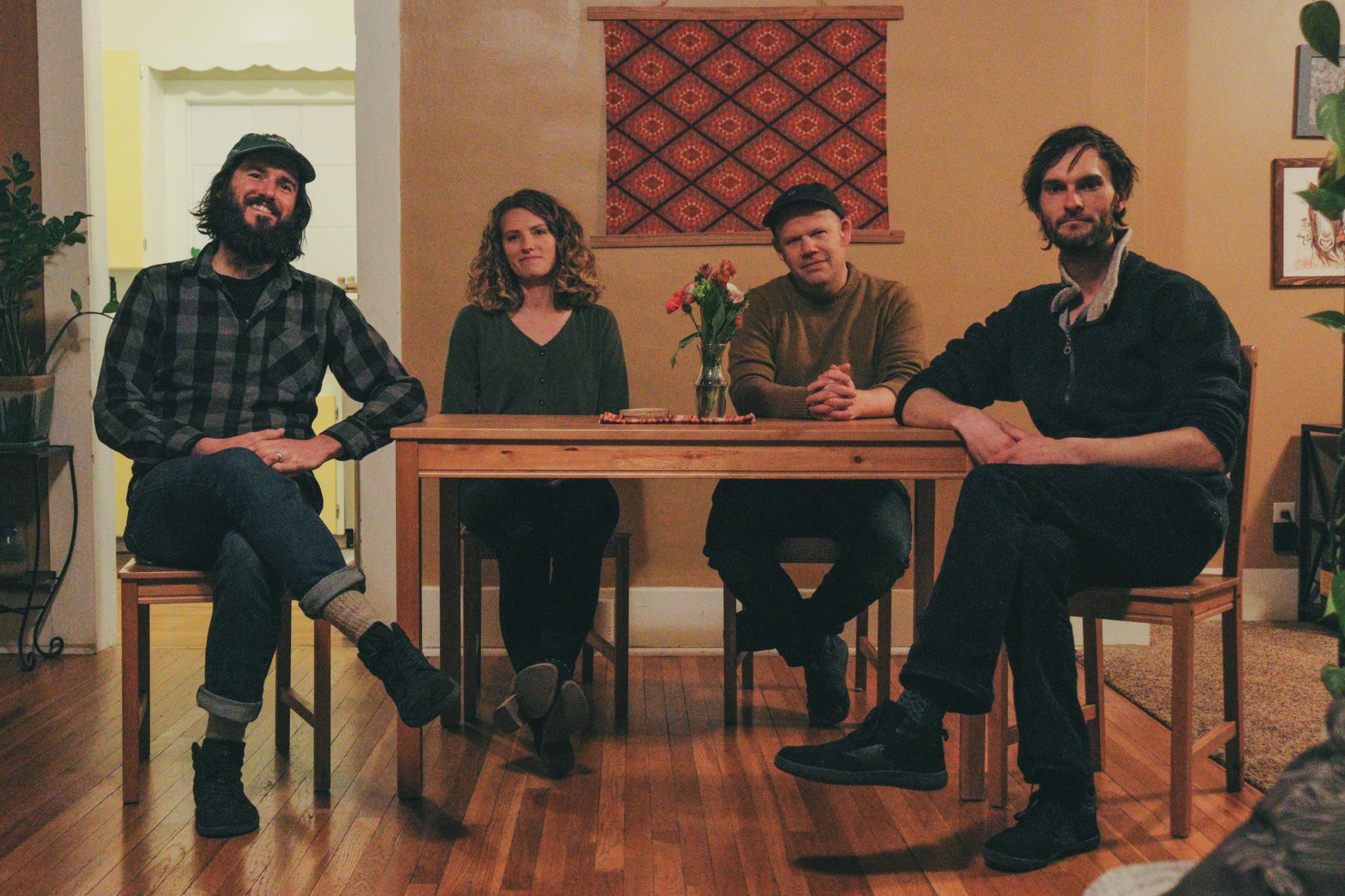
Navigating uncertainty isn’t a process that goes away with time. While the questions may change as we age, and so too the world around us, our responses to these unknowns are defined by patterns both given to us and learned.
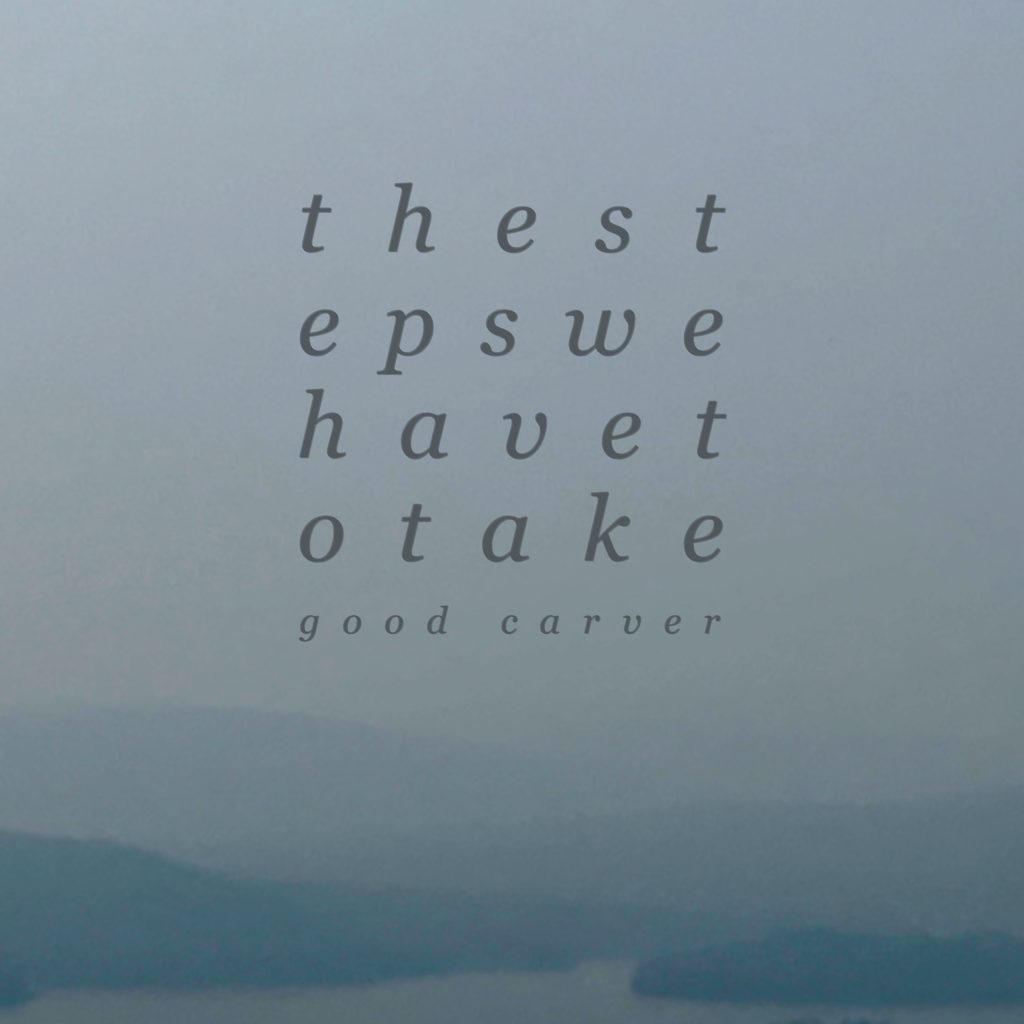
It’s here that indie folk project Good Carver picks up the pen on debut record The Steps We Have To Take, acknowledging this ebbing and flowing of uncertainty and response.
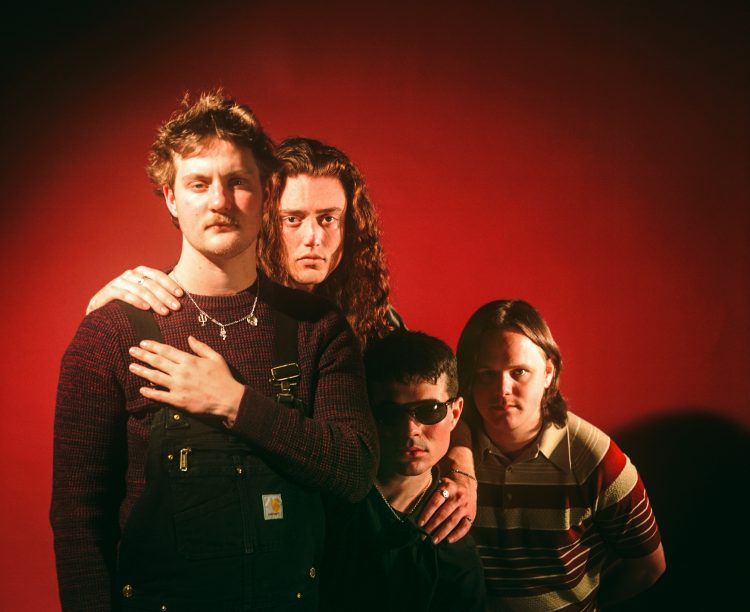
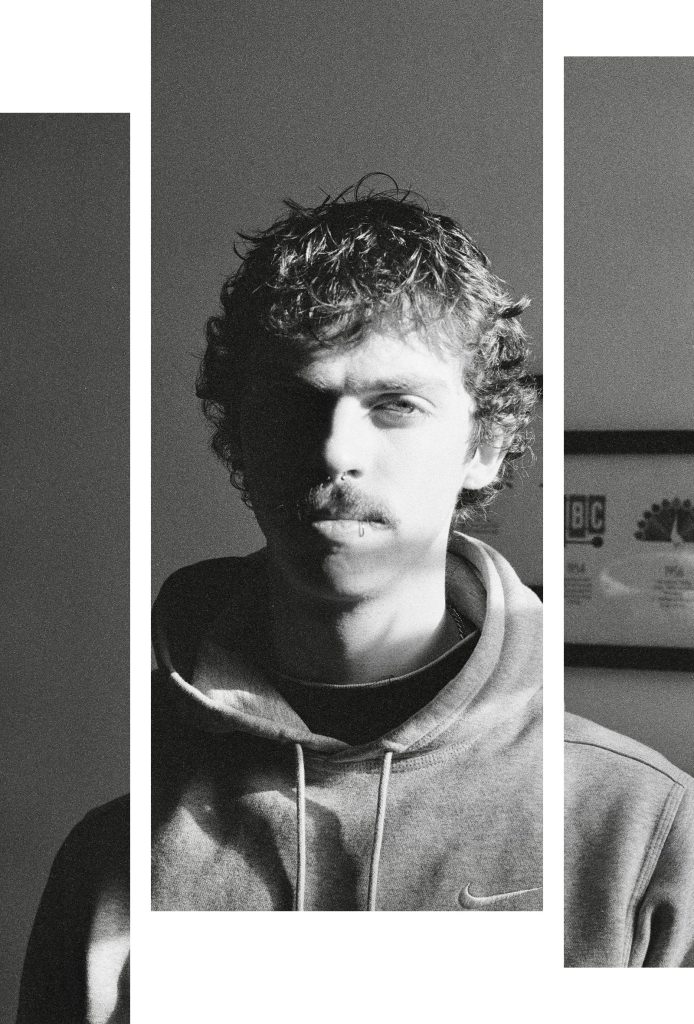
Now composed of principal songwriter and guitarist Eric Bjella, cellist and vocalist Lana Millard Waneka, drummer Maxwell Tretter, and bassist Eric Smith, Good Carver has grown into its sound since its 2021 EP release Winter 20/21. The addition of instruments beyond Bjella’s own guitar-playing and singing makes The Steps We Have To Take a pleasure to listen to, sporting a full, cohesive sound that even further emphasizes Bjella’s organic, approachable style of songwriting.
Despite the fuller instrumentation, the album has a simple, focused production quality. Bjella says he wanted it to feel like listeners were sitting across a table from him in a living room, just talking. Recorded primarily at his own home studio and mixed by Smith, the album embodies that naturalistic quality, following suit with some of Bjella’s earliest guitar influences, including Nick Drake and Elliott Smith.
On both vocals and instrumentation, Bjella compares his approach to the sound of a player’s breath beneath a saxophone or clarinet.
“It sort of reminds you that it’s human,” he says.
Lyrics about the natural world, the lessons it can teach us, and the human response to uncertainties run throughout the album.
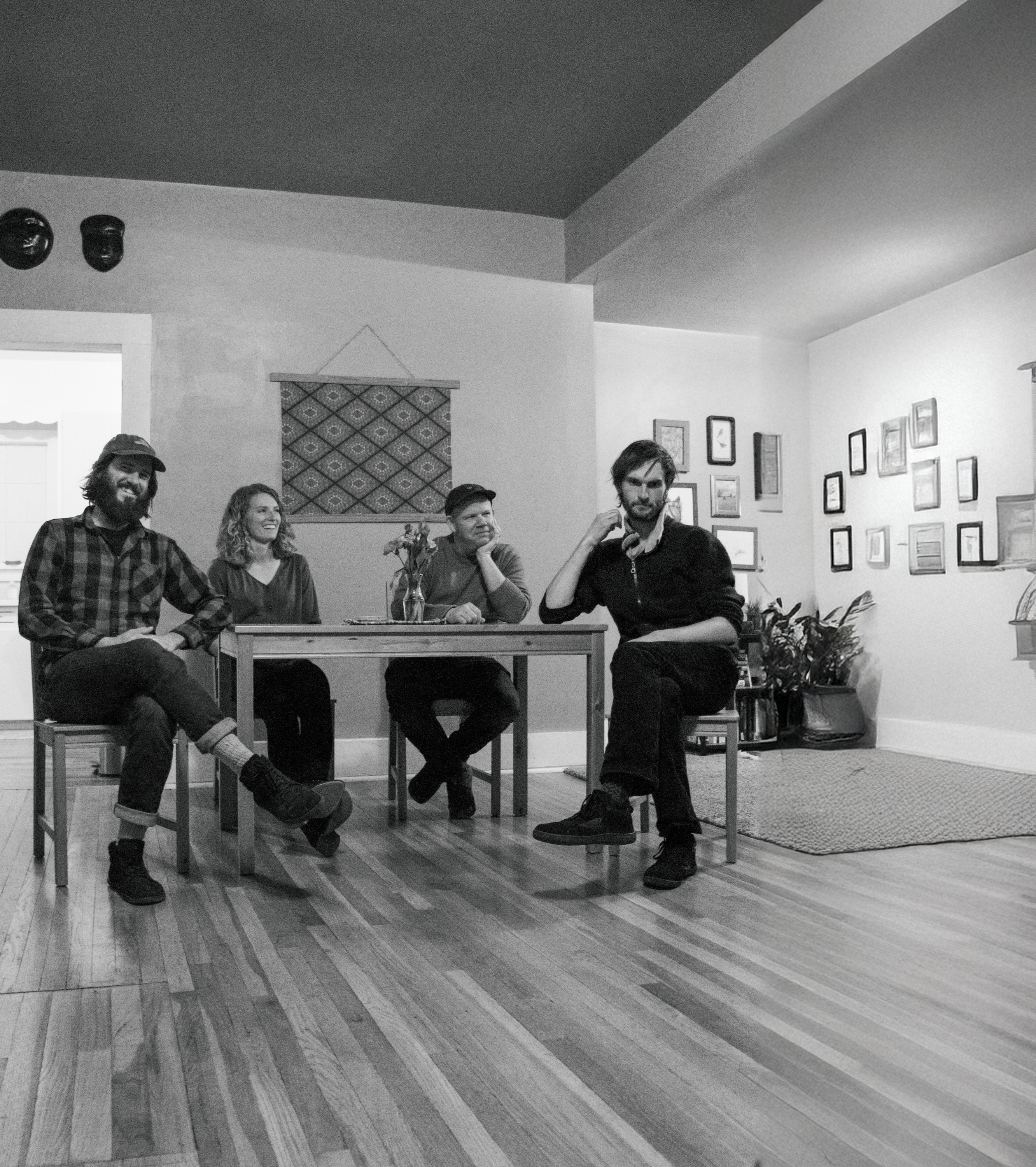
Opener and single “Calmer Waters” pairs a buoyant, upbeat sound to question about how much of what we know is taught to us, while other tracks take a more measured pace, including “Questions (from Leon Trotsky Trout),” and the stripped-down ballad “Take It Slow.” Songs like “Us Hunters” and “Sinking In” weigh the guilt of human mistakes against the consequences of our actions, particularly around environmental reckoning.
Amidst these questions, Bjella also uses tender imagery to illustrate how fear, uncertainty, and human choice remain a constant in our lives, even as they shift and change. That idea is perhaps most prominent on the title track “The Steps We Have To Take.” In it, Bjella recalls a time when his daughter woke him up in the middle of the night to ask if all the doors had been locked. After comforting her and walking her back across the hall, he sings:
And I thought of all the steps we have to take
To make some sense of our time and place
The 10-track release leaves listeners with more questions than answers, by design. But it firmly responds to these questions with relatable poetry about the human experience, and a growing focus on musical collaboration that makes it easy to look forward to what Good Carver does next.