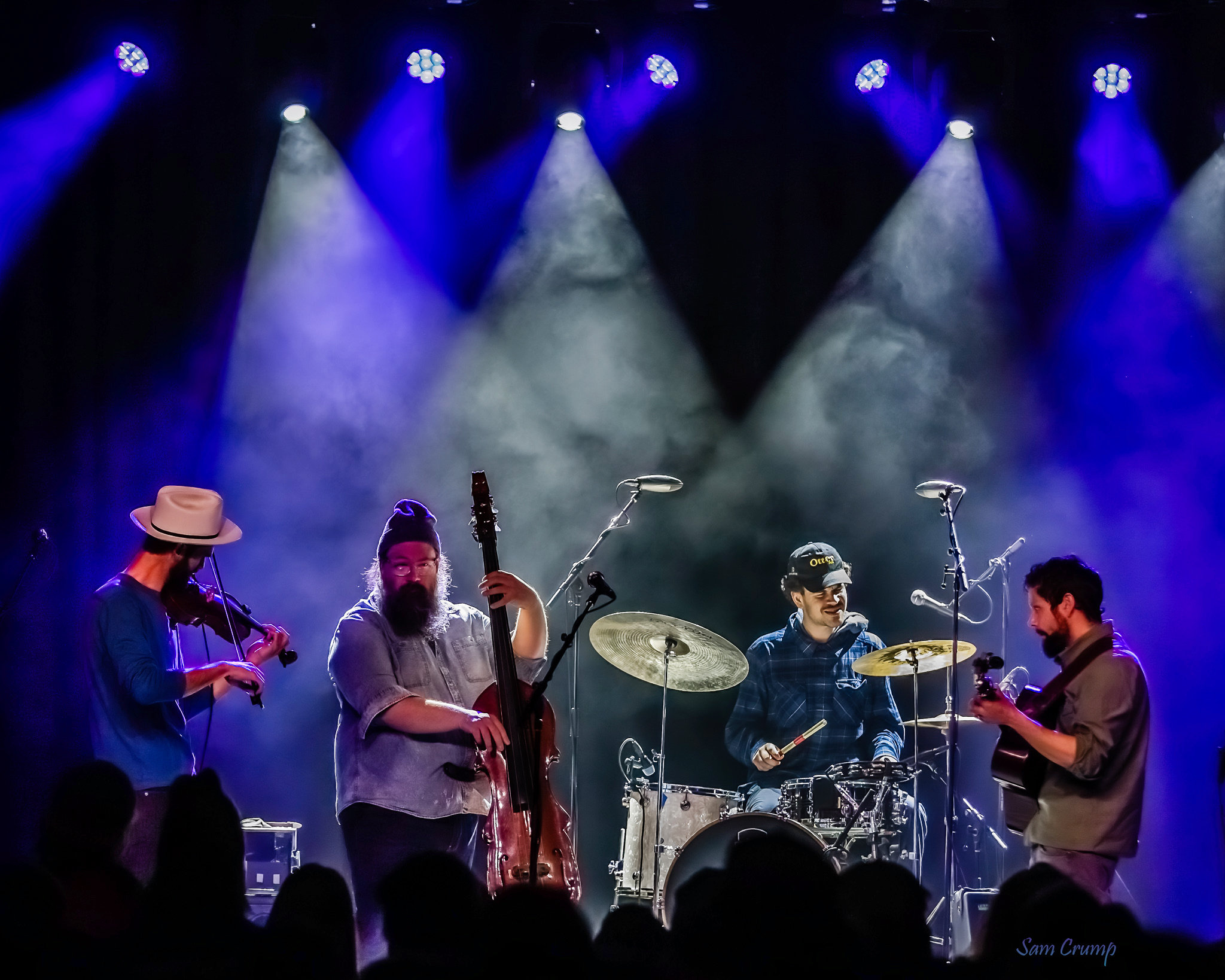
For generations, the Poudre canyon has been synonymous with bluegrass music. Something about life along the winding Poudre river and beautiful scenery feels carefree and timeless, an easy fit for anyone with a stringed instrument to pluck. Home of the legendary music venue The Mishawaka Amphitheatre (or “The Mish” to the locals), countless artists from across the performing world have played this iconic stage overlooking the river, but only a select few have truly called it home.
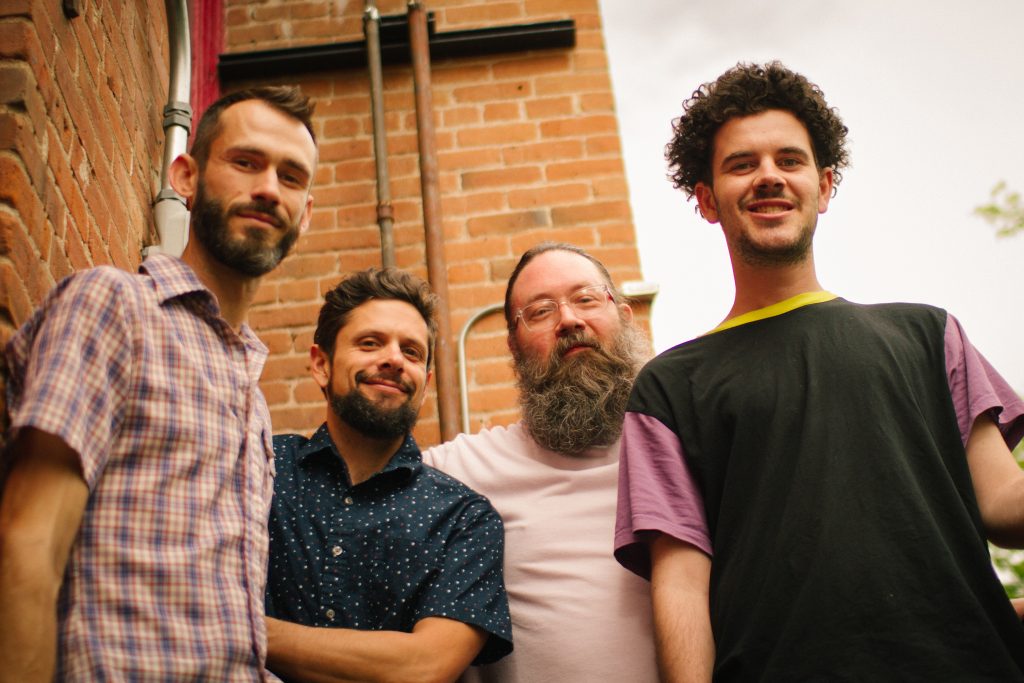
One such band is the Ft. Collins-based and nationally touring blue grass outfit Head For The Hills. For the past two decades, The Mishawaka has hosted Head For The Hills for the yearly Pickin’ on the Poudre, an unforgettable night of music now enshrined in the history of the venue. May 16 will be the twentieth anniversary of the event, a milestone for the band and a marker of the deep roots folk and bluegrass has in the northern Colorado community.
“I think it makes us feel old a little bit,” laughs Head For The Hills bassist, Matt Loewen. “But it’s an accomplishment. I feel lucky to have the longevity with the relationships. It’s consistently been our favorite thing of the year for sure.”

The very first Pickin’ on the Poudre happened in 2003 (the band took a few years off during the pandemic so they’re not counting those according to Loewen), shortly after the band formed, and was the brainchild of the band’s former manager Sean MacAskill. The idea was a yearly festival centered around Head For The Hills and bring in artists they felt deserved a wider audience. Securing a home at the Mishawaka, the event became a hit and the name itself would become instantly recognizable.
A lot would change over the next twenty years for the band and the northern Colorado music scene but the popularity of Pickin’ on the Poudre stayed more or less consistent enough to keep happening each year. Through it all, the band would go through a lineup change (although three of the four original members still playing in the band) and they would witness ownership of the Mishawaka change hands.
“What they have is so great. It’s so driven by the things you want in music and entertainment. I think they really make it work and it’s sustainable too,” states Loewen. “I think it’s too frequent in the music industry when you find a good thing and you’re like ‘this is great, this isn’t sustainable. This won’t last eighteen months.’”
Looking back on twenty years of Pickin’ on the Poudre, there are many notable moments for Loewen. The stranger moments include getting hit in the head by a crystal mid performance thrown from the audience, and an instance where someone who clearly imbibed too much rushed the stage only to be tackled by staff.
On the musical side, one of Loewen’s favorite aspects is finding other artists to play with them. This year is no exception to that, featuring Silas Herman & The Tone Unit as well as Jeremy Garrett of the Infamous String Dusters on bill, both acts Head For The Hills has long admired.
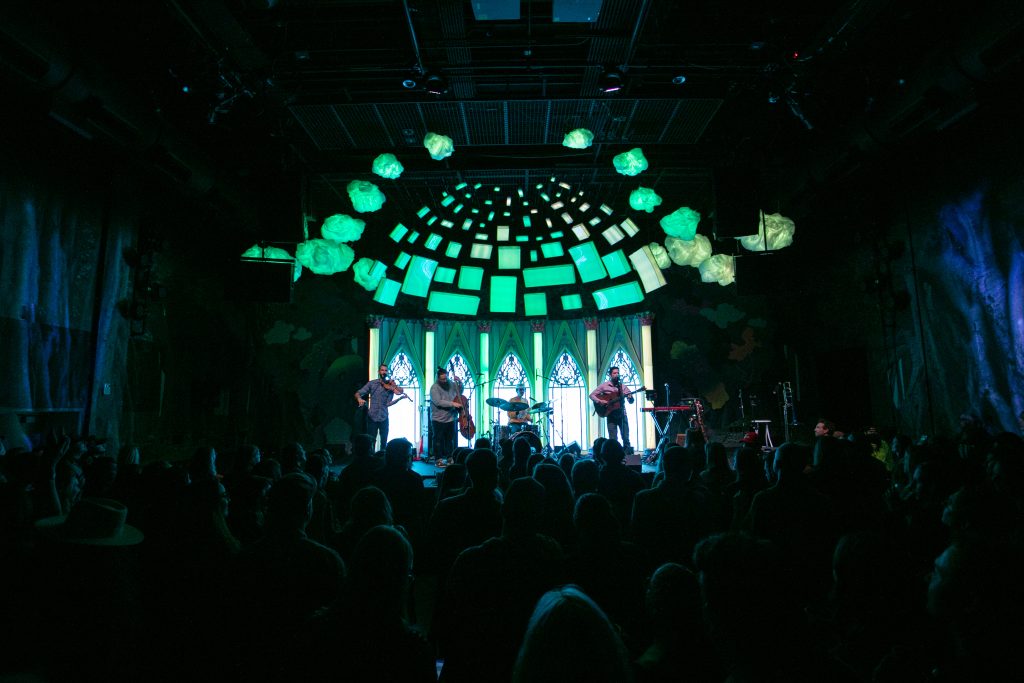
“You got to have someone open you know? Getting to play with the bill and put people on that we think are deserving of a wider audience, then also have people we looked up to has always been cool,” says Loewen.
While twenty years of Head For The Hills is not so surprising to Loewen as it is a testament to their hard work, it does speak to the timelessness of the music. A genre appropriated by country music but often relegated to hilly and mountainous regions, it’s popularity withstands the test of time outside the mainstream. What Loewen sees is within those communities, the improvisational nature of bluegrass leads to musicians pushing those limits until someone comes along and truly shatters the mold.
“You have this thing in the bluegrass, where over time you have this quote-unquote bluegrass band that plays other kind of music, it’s not just bluegrass and you’re improvising,” says Loewen. “But this is an idea that has existed for many moons. What happens is you have a band that pushes the line and they’re selling tickets and they’re playing theaters. First it was Yonder Mountain String Band then it was Green Sky Bluegrass, then Billy Strings comes along and blows the lid right off and starts playing stadiums.”
Within that ebb and flow though, are night like Pickin’ on the Poudre where it all exists in the moment with incredible musicians playing within and without those traditions in a beautiful setting. “Even though it sounds nothing like jazz, and structurally it’s nothing like jazz you still get up there and the same fucking thing,” laughs Loewen. “You start with a structure of a song but there’s a heavy amount of improvisation. You go to bluegrass concerts knowing people take solos. People don’t go to jazz concerts to hear the players play the melody of the tune.”