The subgenre vaporwave materialized in the zeitgeist as more of a YouTube aesthetic than a genre in the traditional sense. Born as a response to the chillwave and indie rock movement of the mid 2000s, some could argue that vaporware is one of the first true internet memeifications of music. Those who spent the 2010s spiraling down YouTube rabbit holes will remember the videos of 1980s stock footage of Japanese anime superimposed with glitched-out 1990s web design imagery, set to chopped up and slowed down smooth jazz and soul.
As is the case with most internet trends, pop culture moved on pretty quickly. Yet vaporwave lingered in sleek marketing campaigns and moody YouTube playlists. While meant to be ironic and to poke fun at mainstream culture, this use of nostalgia signaled to corporate America something different, something with dollar signs. Thus, two decades of reboots, spin-offs, sequels, prequels and bands reuniting to play their first albums became the norm.
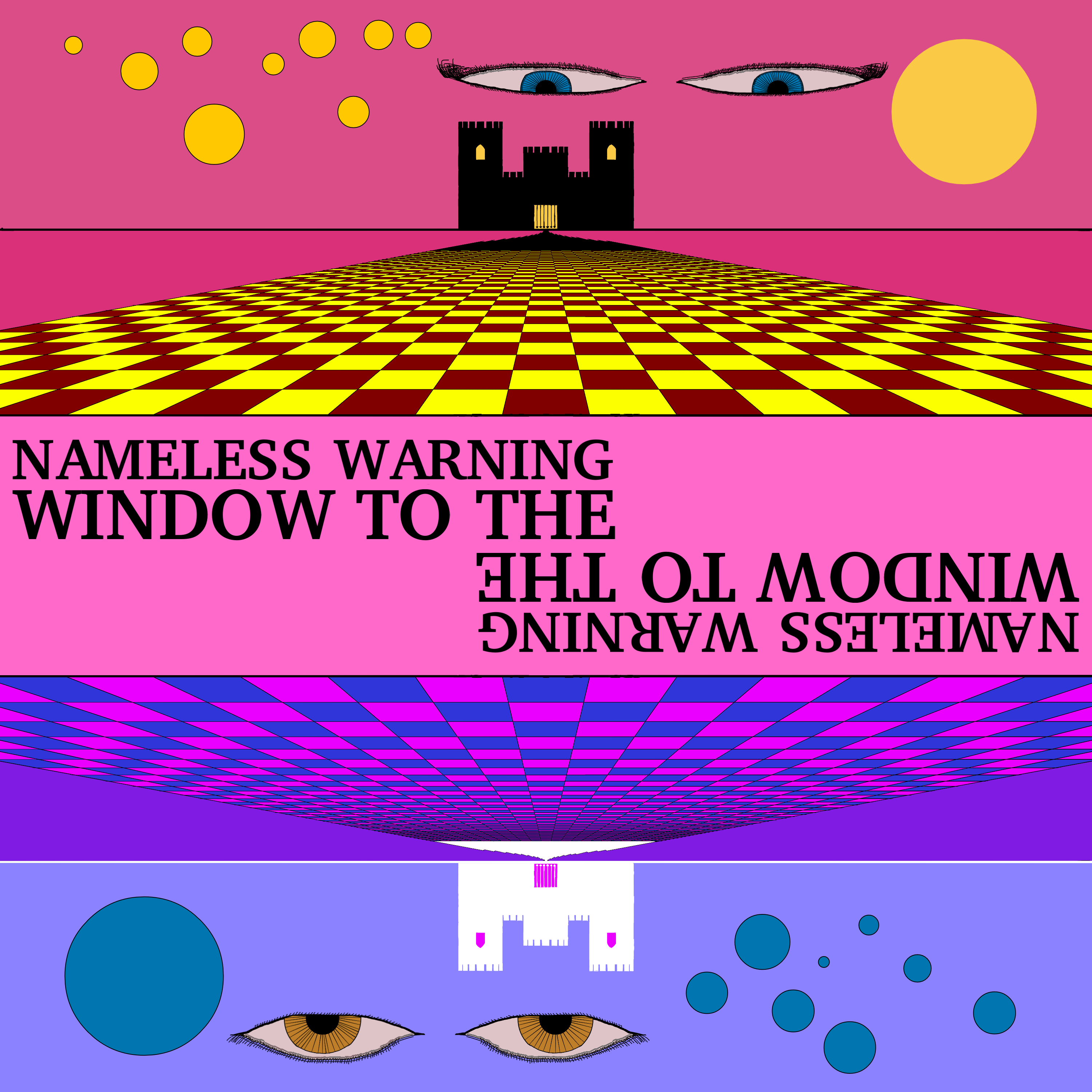
It’s against this backdrop and with a modern lens that Colorado Springs vaperwave/chillwave artist Nameless Warning, real name Jacob Smith, has continued to make music. On September 18, this under-appreciated Colorado artist released his seventh album, Window to the, an ambitious work that will scratch the itch of anyone nostalgic for well… nostalgia.
Window to the is made up entirely of what Smith calls "sample-free vaporwave." Instead of writing entirely fresh material, Smith went back to the well, reworking old demos into individual samples. According to Smith, it's a common practice in the vaporwave community to make a pool of old songs that you then flip into something entirely new.
The result is an album packed full of the hallmark sounds of vaporwave. Songs like “Gazing at the Moon” and “…and Nobody Else” lay it all out right away with inspired synth swells and drum hits that play off the slowed-down tempo and warped vocal takes. The real winner on the album is the ballad “Patience is the Key,” with its blissful synth lines and blossoming chorus that pulls all the heartstrings.
Smith is active across his different social media platforms, where he has several videos walking through his process of transforming his old demos. Anyone who becomes a fan of this album will appreciate watching him take a complex process and make it look easy in real time.
The biggest thing to take away from this album is how emotional it is. Smith wears his heart on his sleeve, and the combination of his sharp vocal delivery with the washed-out production creates something deeper than surface level. This is a common theme across his other work and shows why he’s such a versatile artist. Smith demonstrates a command of the genre that shows why vaporwave was so appealing in the first place, capturing that sense of longing for something left behind.
The irony is that enough time has passed since the heyday of vaporwave that Smith directs that sense of longing not at youthfulness or fading memories, but to when a generation of musicians discovered vaporwave in the first place. This album manages to multiply nostalgia in on itself, setting up an endless feedback loop of pre-Y2K iconography set to downtempo synth jams. But when you remove Window to the from the lore, you still have an album awash in authenticity.